

Category
AI-Powered Creative

Beyond the AI hype: What great creative looks like in 2026
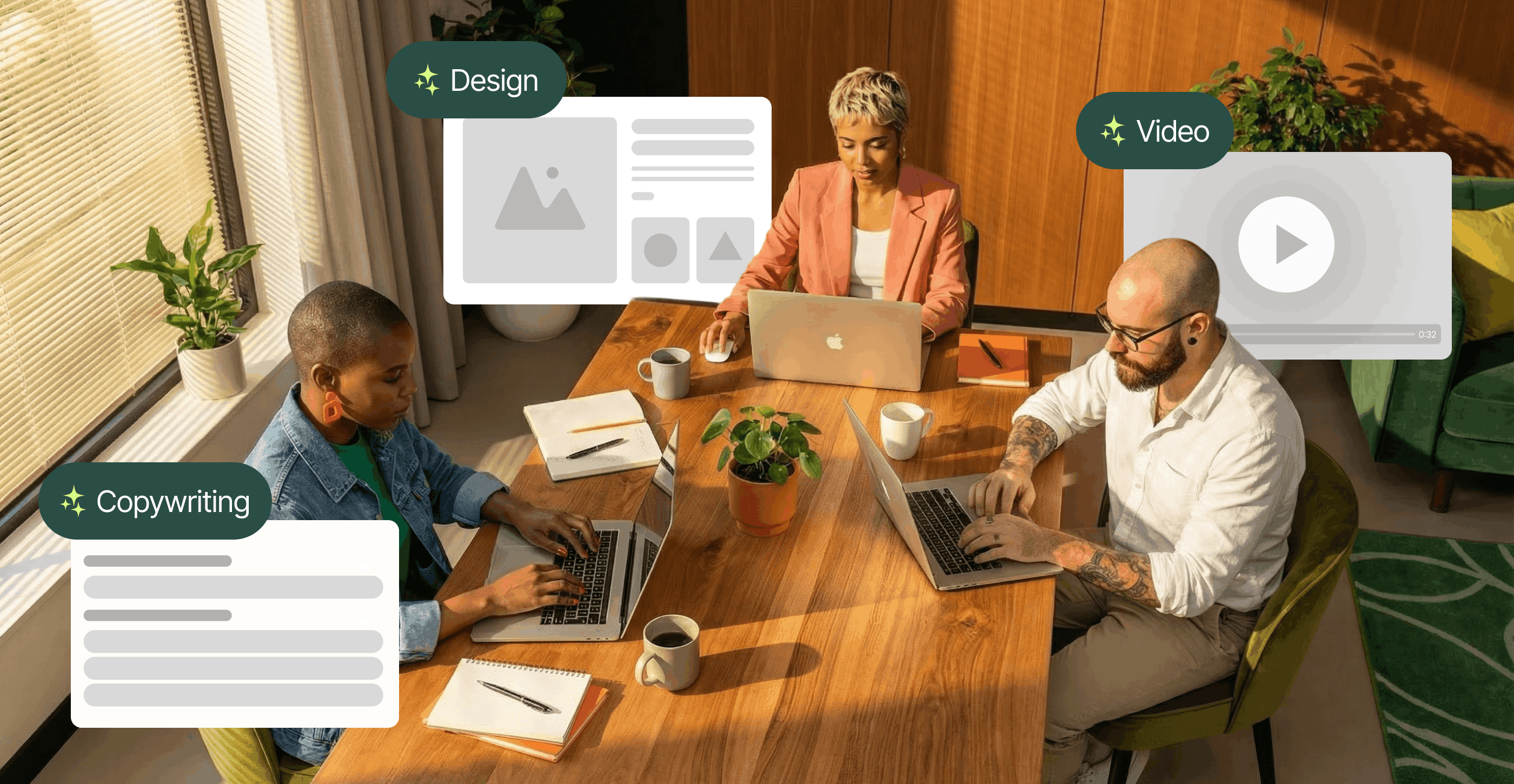
AI can make creative faster. It can make it scalable. It can even make it feel endless. But according to HelloFresh’s James Hurst, that only makes one thing more important: knowing what’s actually worth making. For creative teams, the AI conversation has moved quickly from curiosity to urgency. Every day brings a new tool, a new workflow, a new promise that teams can produce more assets, more variations and more ideas in less time.
The creative breakpoint: How teams are navigating AI today
At Superside’s SHIFT Summit, we sat down with creative leaders from Clio, Wistia and Typeform to unpack a big question: What’s actually happening inside creative teams as AI reshapes the way we work? Built on insights from Superside’s latest Breakpoint report, the conversation revealed a landscape full of opportunity, but also pressure, uncertainty and rapid change. Here’s what stood out.
A map out of the messy middle: 9 ways to make AI actually stick
Most teams aren’t asking whether they should use AI anymore. They’re asking something much harder: “Why does this still feel chaotic?”
The hidden AI features inside your favorite marketing & design tools
Let’s make a bet. You use tools like Figma, Photoshop, Canva, and Google Slides almost every day, and still, you’re barely scratching the surface of what their AI can do.
From AI uncertainty to creative superpower: 6 lessons from Superside's Shift summit
What does it actually take to make AI work for creative teams, not just in theory, but in practice? At Superside’s SHIFT Summit, we heard directly from the people navigating it in real time. From creative leaders rethinking workflows to building entirely new systems, one thing became clear: AI isn’t the breakthrough. How you use it is.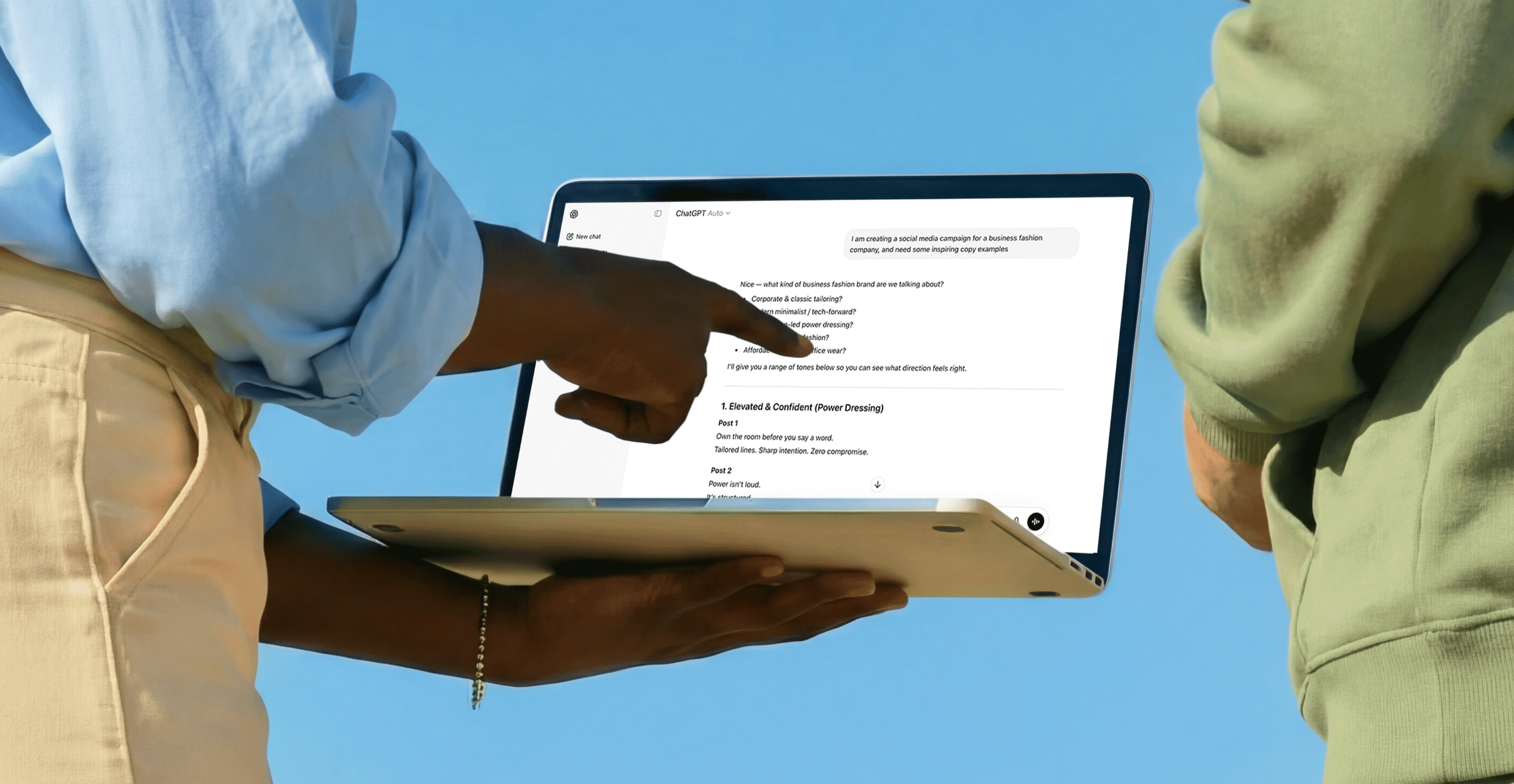
AI adoption campaigns are a creative challenge, not a training problem
Picture the moment leadership approved rolling out AI across the company. The budget was set, the tools selected and IT given the green light. Someone likely said, “This is going to change how we work.” Six months later, most employees haven’t adopted AI. The few who use it do so sporadically and don’t fully trust the results. Fixes take as long as the work itself.
The new Superspace, now with a brain
The biggest risk to creative quality isn’t bad ideas. It’s lost context. Every brief, every round of feedback, every campaign generates insight. But that insight rarely carries forward. It’s lost across decks, threads, and inboxes, forcing teams to reconstruct context instead of building on it. The result isn’t just inefficiency. It’s stagnation.