





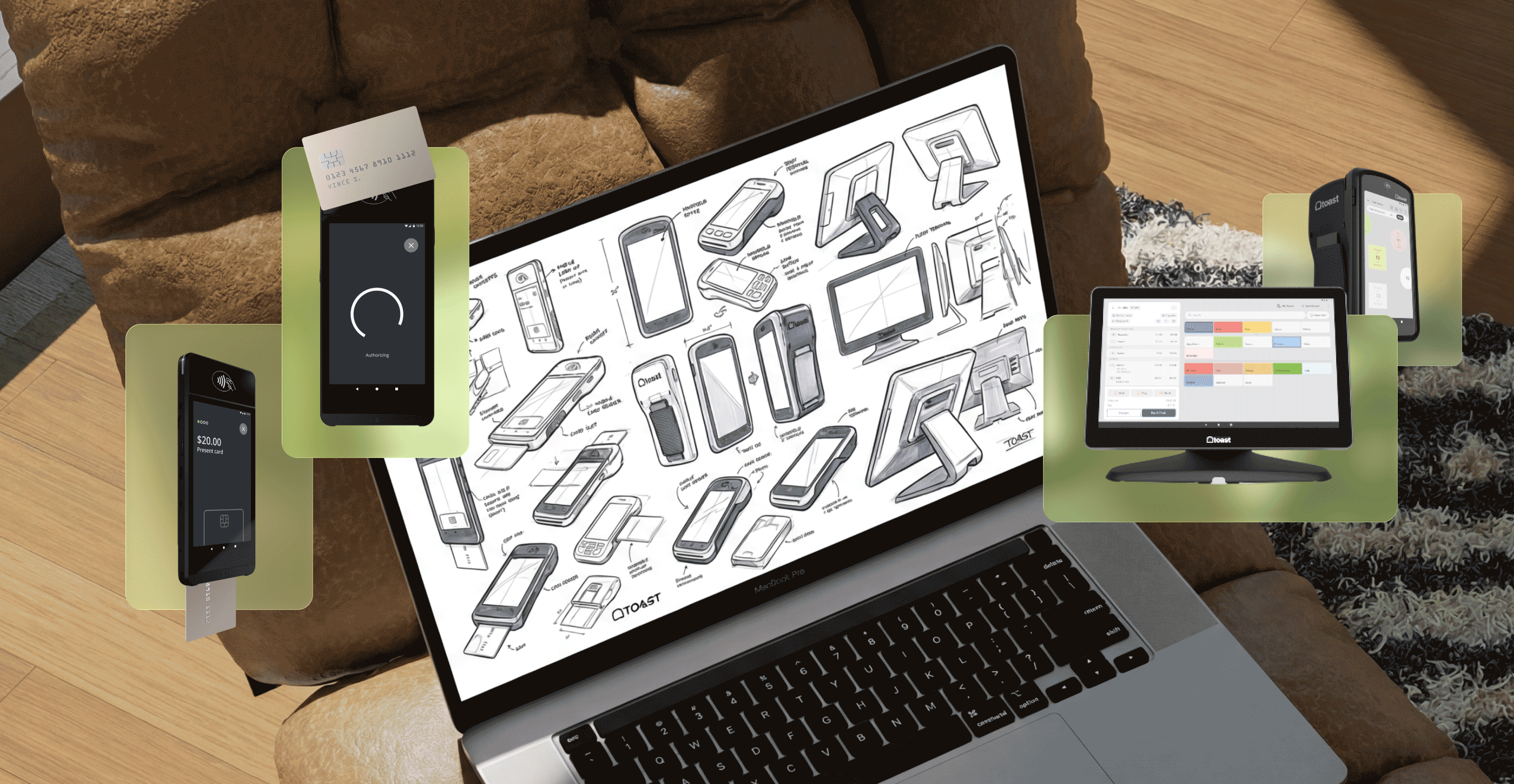
Design Systems
Design systems bring speed and consistency at any scale
Still starting from scratch with every design? Superside specialists create, evolve, and maintain robust design systems that grow with your business and drive visual and functional consistency across platforms—without the overhead or complexity of building in-house.
 Design system audit
 System maintenance
 System enhancements
 Email design systems
 Design system creation
 trusted by the world’s top brands
what is a design system
Great design starts with solid foundations
Far more than a style guide, a design system is a centralized source of truth for every aspect of your design language.
Guided by the Atomic Design methodology, Superside design experts break interfaces into foundational building blocks, making each component scalable, consistent, and easy to use for design, product, creative, and marketing teams.

By the numbers
A creative partnership you can trust
of clients rate their deliverables as exceeding expectations
94%
less admin work. We handle it all, end to end.
70%
on-time delivery for design projects
98%
what we offer
The building blocks of great digital experiences
Superside’s design systems are built to help organizations reduce rework, improve collaboration between design and development, and scale with confidence.
Design system creation
Build scalable, modular foundations from scratch using Atomic Design principles. Applied across email design, website design, and product design.
Design system audit
Our team evaluates design patterns to pinpoint opportunities for new foundational elements, components, and asset libraries.
System maintenance
Keep up as your brand and business needs evolve to ensure consistency, efficiency, and future-readiness.
Email design systems
Accelerate email production while preserving brand consistency by equipping creative teams with mailer-friendly, easy-to-implement components.
System enhancements
Improve efficiency, accessibility, and consistency in existing systems through strategic updates and optimizations.
designed for you
Why creative teams choose Superside
Built with Atomic Design
We're guided by a proven methodology of reusable components and structured hierarchy.
Holistic approach
Building a design system isn't the end. We maintain, evolve, and optimize for long-term impact.
Seamless workflow integration
Designed to fit into your existing processes, so teams can adopt and scale quickly.
Cross-functional alignment
We help designers and developers collaborate seamlessly with one source of truth.
how we work
A proven process for speed, scale, and alignment
Our workflow is built for seamless collaboration between your team and ours, minimizing surprises and maximizing outcomes.
Book a demo with our experts
1
Onboarding
We align on your brand, design system goals, and tech stack to define the project scope and strategic approach.
2
Team assignment
You’re matched with a consistent team, including a Design System Creative Lead, Designer, and Project Manager.
3
System audit or planning
We audit your existing system or plan a new one with design input from your team to define the foundational elements, components, and documentation needed.
4
Architecture and component design
We create scalable styles and components to ensure consistency and ease of use for internal teams and external contributors.
5
Collaboration and documentation
Through Superspace, we manage feedback, approvals, and delivery. All components are supported by comprehensive documentation and organized for seamless adoption.
6
Integration and handoff
We prepare your system for smooth integration into Figma, Storybook, or custom tools, following best practices and your team’s specific requirements.
7
Ongoing support
We support continuous improvement with new components, system updates, and adaptations as your brand evolves.
Now imagine this creative power behind your next project
This is just one of many creative services—what you do with them is up to you. Let's chat.


related articles
Learn how top creative teams use web design
The Interaction Design Gap Making Your Product Feel Off [Examples]
Your product works. Features ship, flows complete.
How brands build corporate website solutions that last and scale in 2026
Your corporate website used to be something you refreshed every few years. New visuals.Frequently Asked Questions
Superside's design systems services cover the full lifecycle: design system audit, system creation from scratch, ongoing system enhancements, system maintenance, and specialized email design systems. The work is grounded in the Atomic Design methodology (breaking interfaces into reusable atoms, molecules, and components) and applied across web, product design, email, and brand surfaces. Enterprise customers typically engage Superside to unify multiple inconsistent design libraries, build a system from scratch for a new brand or product, or take over maintenance of an existing system.
Superside delivers design systems in formats built for both design and engineering teams to adopt from day one. Documentation is built alongside the components rather than added at the end, and components are organized for seamless adoption through Superspace. Integration and handoff are prepared for Figma, Storybook, or the team's own custom tools, following best practices and your team's specific requirements. Ongoing support continues after delivery, with new components, system updates, and adaptations as the brand and product evolve.
A design system engagement begins with onboarding to align on brand, design system goals, and tech stack, followed by team assignment with a Design System Creative Lead, Designer, and Project Manager. The team then audits your existing system or plans a new one with input from your team, defining foundational elements, components, and documentation needed. Architecture and component design follow, with collaboration and documentation managed through Superspace. Integration and handoff are prepared for Figma, Storybook, or the team's own custom tools, and ongoing support continues after delivery with new components and system updates as the brand evolves.
Building in-house if design systems work is a permanent strategic capability for your company. A SaaS product team building core infrastructure is one example. Work with Superside if design systems are a means to an end (brand consistency, design velocity, enterprise scale) but you don't want to staff dedicated design system roles. A subscription is often more cost-effective for the build phase plus ongoing maintenance, and it avoids the common in-house pitfall: design systems stalling after launch when initial resources move to other priorities.
Specialist design system agencies typically focus only on the system itself, with engagements ending after initial build. Superside builds and maintains the system and uses it to ship landing pages, ad creative, motion, and web design work, all from the same design system. The system gets continuously stress-tested by real production work, gaps surface in the moment, and the system stays alive rather than becoming a static artifact post-launch.
Superside design system customers see compounding gains in design and dev velocity after adoption. Component-based design accelerates downstream work across product design, landing pages, ad creative, and web design, since the same components ship across every surface. ROI compounds as more teams, products, and channels adopt the system. The advantage of building with Superside specifically is that the system gets stress-tested by real production work the team continues to ship: gaps surface in the moment and feed back into the system rather than going stale post-launch.
Yes. Superside delivers design systems in formats compatible with standard dev workflows: Figma source files, design tokens (JSON, CSS, Style Dictionary), Storybook-ready documentation, and component specs that engineering can implement in React, Vue, Webflow, or whatever framework you're on. The team works directly with internal dev teams on the design-to-code handoff and component library structure to keep design and engineering aligned through the build.
Maintenance happens through ongoing support that's part of the subscription. New components, system updates, and adaptations as the brand and product evolve continue after delivery, so the system stays current rather than becoming a static artifact at launch. Enterprise customers often run this ongoing support alongside their internal team, with enhancement work scoped in when new products surface or brand initiatives need to be supported.
Superside can work with your existing system or build from scratch, depending on its state. The standard first step for teams with an existing system is a design system audit, where the team evaluates design patterns to pinpoint opportunities for new foundational elements, components, and asset libraries. From there, the work can move into system enhancements to improve efficiency, accessibility, and consistency, a full rebuild from scratch using Atomic Design principles, or ongoing system maintenance. The audit-first path is usually the lowest-risk entry point for teams unsure where their system stands.
Superside designs systems for both consistency and adoption, so they hold up after launch. Documentation is built alongside the components and organized for seamless adoption, then integration and handoff are prepared for Figma, Storybook, or the team's own custom tools following your team's specific requirements. Ongoing support continues after delivery with new components, system updates, and adaptations as the brand evolves, which is what keeps the system from going stale after launch.