

Category
All Things Brand

6 Digital Brand Experiences That Made Brands Impossible to Ignore
The most effective digital brand experiences don’t feel like marketing. They create meaningful moments grounded in a deep understanding of the audience and what the brand wants them to think and feel. There are many great digital brand experience examples out there. But the thinking, strategy and creative choices behind the ones that truly connect are rarely shared.
Challenge the challengers: How legacy companies can keep pace and pull ahead
The “David vs. Goliath” trope is a fine, inspiring tale of the little guy persevering against all odds. But in financial services today, the story feels far less romantic—especially if you’re the incumbent. Traditional financial institutions are under mounting pressure to modernize as fintech challengers continue to reset customer expectations. Across retail banking, insurance, lending and payments, fintechs have set a new bar for speed, seamless UX, hyper-personalization and product innovation. What once differentiated legacy institutions—scale, stability and history—no longer guarantees loyalty.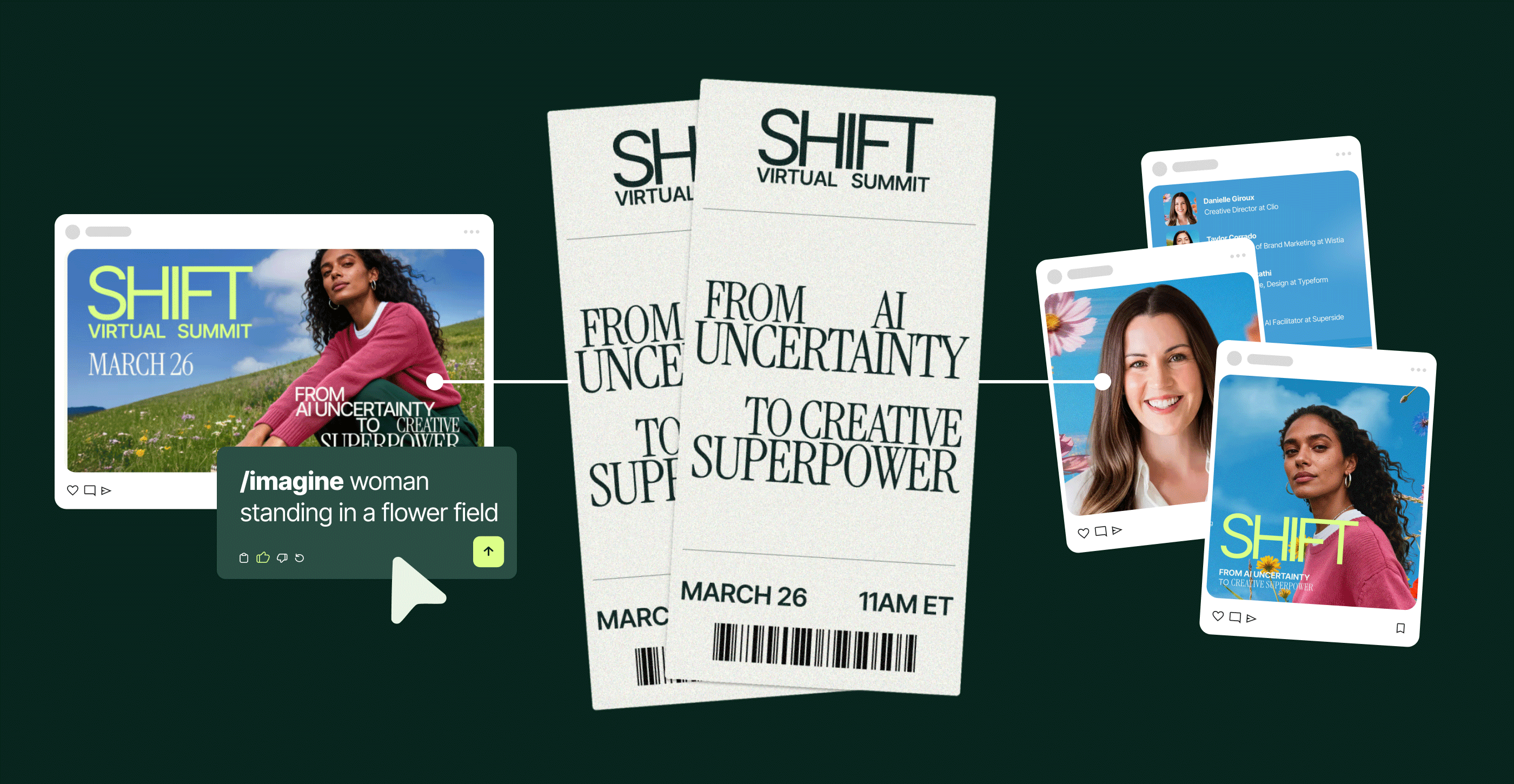
AI content repurposing for social media that performs (steps & example)
Thanks to AI, what used to take days to produce now takes minutes, and what used to require a full creative team can now be generated in a few clicks. The result is an internet flooded with content and brands competing harder than ever for the same slice of customer attention. In this environment, your brand can’t afford to stay in one lane. Audiences move fluidly between social channels. If you don’t show up on LinkedIn, X, Instagram or the next big platform, someone else will. A HubSpot study found that marketers use an average of four social platforms, and those who diversify consistently outperform those who don’t.
How to scale product design capacity without hiring more designers
Why do even the most talented product design teams fail at some point? It’s rarely about talent, and almost always about capacity and structure. When teams slip into reactive mode under pressure, they tend to firefight rather than build durable systems. Over time, inconsistencies creep in, patterns go off track and the product starts to behave differently across platforms, users and features.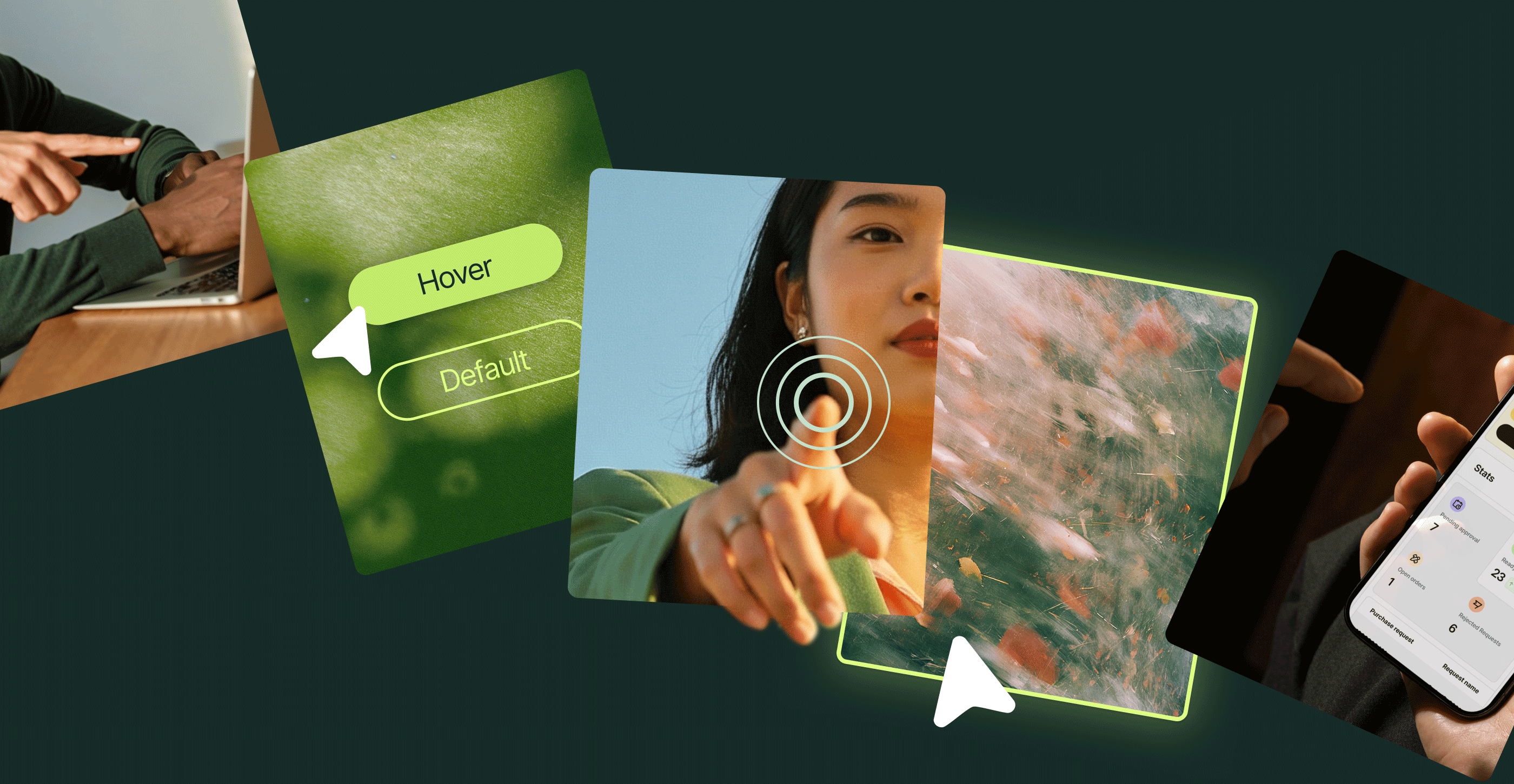
The Interaction Design Gap Making Your Product Feel Off [Examples]
Your product works. Features ship, flows complete.
Superside vs. Designity: Which creative partner is right for your team?
Your creative backlog isn’t shrinking. If anything, it’s grown. New channels, more formats, faster campaign cycles, tighter deadlines and a headcount that hasn’t budged in the last two years. If creative demand is stretching both you and your in-house team to breaking point, you’re not alone. According to our “Breakpoint” report, 86% of marketing and creative teams are at or over capacity, and 7 in 10 creative leaders report their teams are experiencing burnout. Meanwhile, executives, primed by the promise of AI, keep asking for better work, faster.
The 7 best financial services creative agencies in 2026
Management firms, financial services companies, payment platforms and fintech brands ask audiences to do something deeply personal. Trust them with their money. Audiences are quick to spot inauthenticity, and regulators closely scrutinize every claim, which demands a different creative approach. Meanwhile, competition has intensified. Digital-first banks, fintech disruptors and personal finance apps have raised consumer expectations for simplicity and design quality, pushing established financial institutions to modernize their brands. And across the board, the volume of creative output required now far exceeds what most in-house teams can sustain.