Emanuel is a Content Specialist at Superside. With the knowledge that three languages (and counting) and digital marketing can serve a creator, he has helped B2Bs from multiple industries to write, optimize and scale their content game with compelling pieces that answer questions and solve problems. On Superside, Emanuel transforms ideas into powerful articles that guide you on how to use Superside's multi-powered AI services to scale your business to the max.
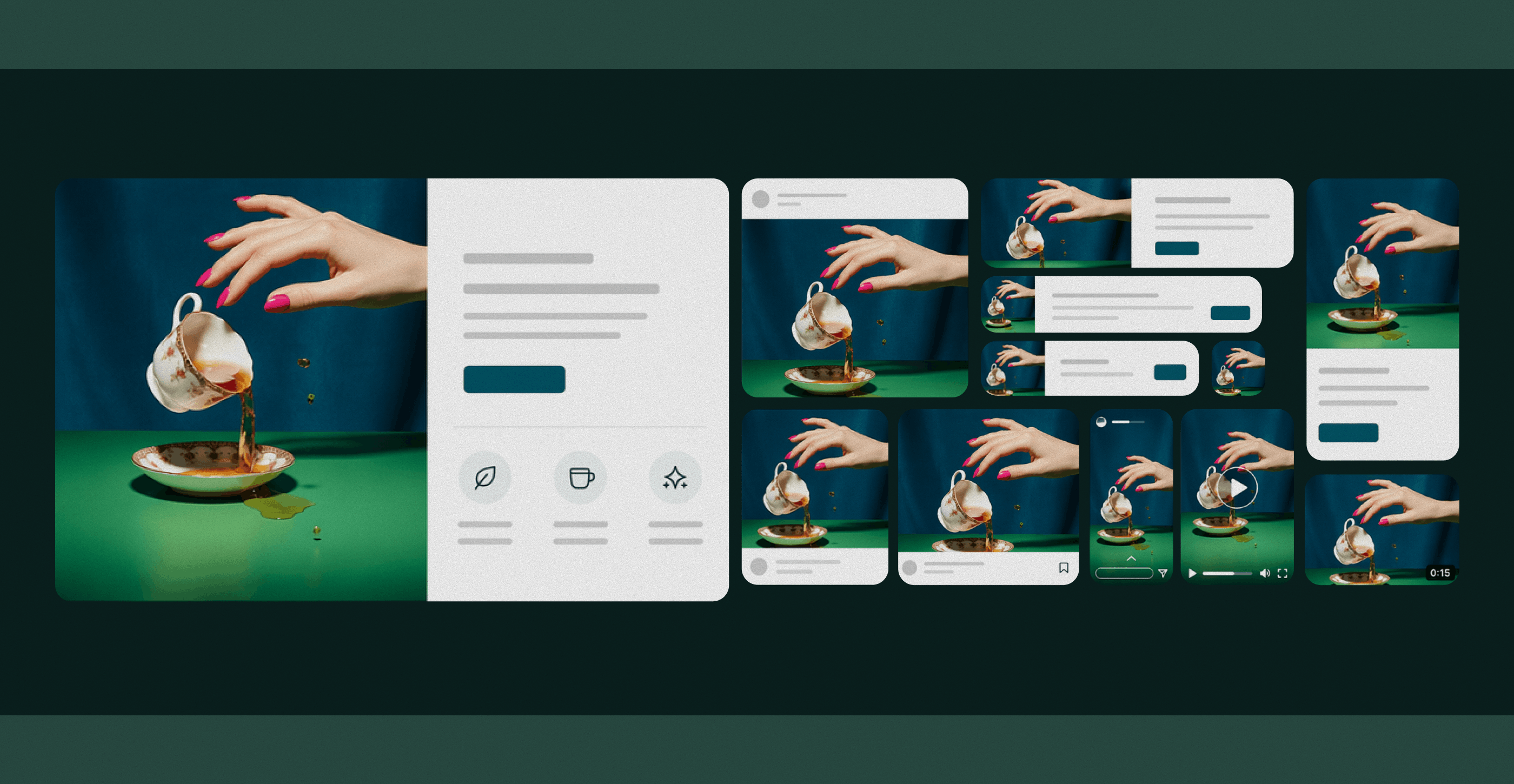
A single ad campaign today may need to run across 30+ placements at once, from Instagram and TikTok to display, YouTube and connected TV. Each format has different specs, contexts and pacing, before even accounting for markets, languages and audience segments.
This level of complexity is difficult to scale manually.
Why do even the most talented product design teams fail at some point? It’s rarely about talent, and almost always about capacity and structure.
When teams slip into reactive mode under pressure, they tend to firefight rather than build durable systems. Over time, inconsistencies creep in, patterns go off track and the product starts to behave differently across platforms, users and features.
Your creative backlog isn’t shrinking. If anything, it’s grown. New channels, more formats, faster campaign cycles, tighter deadlines and a headcount that hasn’t budged in the last two years.
If creative demand is stretching both you and your in-house team to breaking point, you’re not alone. According to our “Breakpoint” report, 86% of marketing and creative teams are at or over capacity, and 7 in 10 creative leaders report their teams are experiencing burnout. Meanwhile, executives, primed by the promise of AI, keep asking for better work, faster.
Today, marketing and creative teams are increasingly using AI agents to gain a competitive advantage.
These agents, which can operate independently, can make decisions, surface valuable insights and complete complex tasks in creative workflows without step-by-step prompting, promise unprecedented speed, scale and efficiency. The AI agents market is projected to grow to $50.31 billion by 2030 and that 79% of executives report broad adoption.
Management firms, financial services companies, payment platforms and fintech brands ask audiences to do something deeply personal. Trust them with their money. Audiences are quick to spot inauthenticity, and regulators closely scrutinize every claim, which demands a different creative approach.
Meanwhile, competition has intensified. Digital-first banks, fintech disruptors and personal finance apps have raised consumer expectations for simplicity and design quality, pushing established financial institutions to modernize their brands. And across the board, the volume of creative output required now far exceeds what most in-house teams can sustain.
With an average ROI of $36 for every $1 spent, no other channel comes close to email marketing. In 2025, 4.48+ billion people used email, a number that could reach 5 billion by 2028, and an estimated 376 billion emails were sent daily.
And email’s momentum isn’t slowing down. The global email marketing market is projected to grow from $11.5 billion in 2025 to $17.9 billion by 2028. Perhaps most telling, 60% of consumers still say email is their preferred channel for hearing from brands.
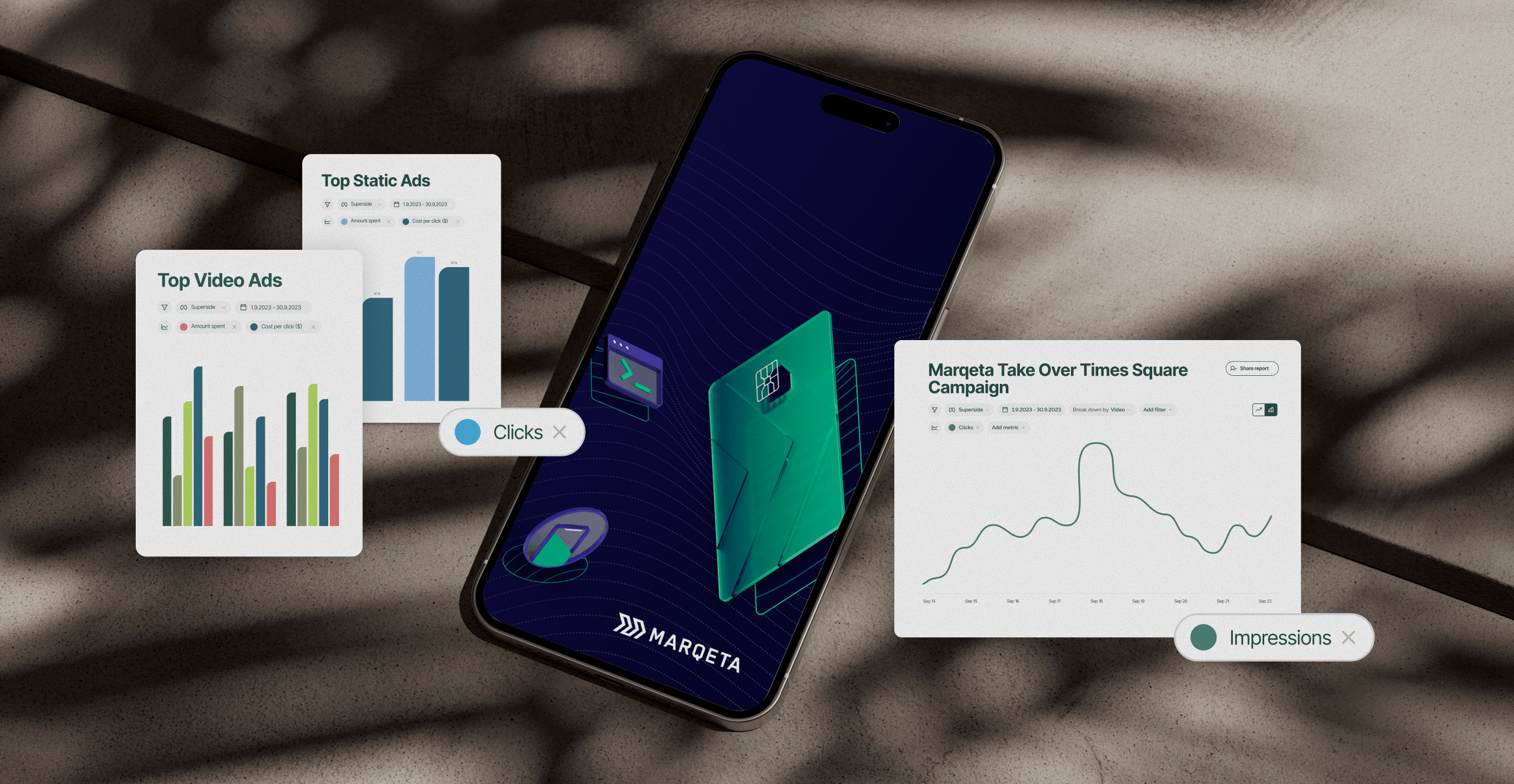
With platforms like Meta’s Advantage+ and TikTok’s Smart+ Campaigns, much of the traditional ad campaign optimization work has been absorbed by algorithms. What remains (and where the real competitive advantage now lies) is the quality, diversity and relevance of the creative itself.
In fact, creative has become the last true lever in paid social, and arguably the most decisive one, now accounting for up to 70% of campaign results.
Brand consistency has always mattered. But in recent years, it’s become both harder to maintain and more costly to lose.
As the global DTC market races toward nearly $880 billion by 2034, competition for attention is fiercer than ever. The brands that win don’t just show up across more channels. They deliver a cohesive, omnichannel experience that builds brand awareness, recognition and trust at every touchpoint.
There’s a shift happening in digital advertising that many marketing teams haven’t yet fully absorbed.
As platforms like Meta and TikTok automate targeting, bidding and placement, algorithms increasingly handle the targeting variables that human teams once controlled. What that leaves on the table, as the primary lever marketers can still pull, is creative quality.